
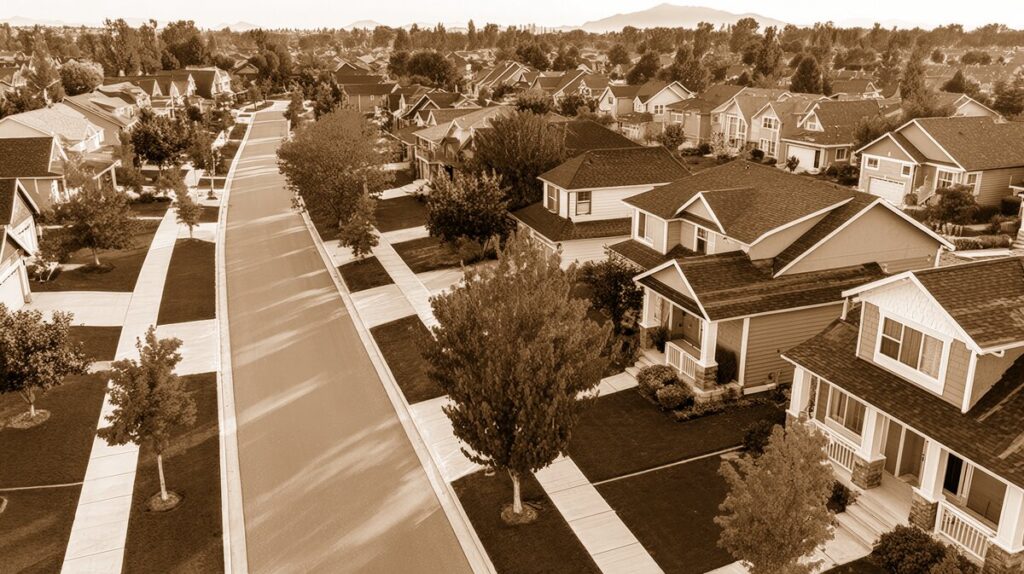
Nestled just east of downtown Rochester, the Culver-Winton-Main neighborhood is a vibrant patchwork of tree-lined streets, charming homes, and community landmarks. To those who know it well, it’s far more than a point on the map—it’s a living testament to Rochester’s evolving history, where the past and present intertwine. Whether you’ve lived here all your life or are just discovering its cozy corners, Culver-Winton-Main’s story weaves together generations of change, resilience, and community pride.
The Roots: Tracing the Name and Early Days
The name “Culver-Winton-Main” hints at the neighborhood’s central crossroads: Culver Road, Winton Road, and Main Street East. Each of these arteries brings its own slice of Rochester’s story. Main Street, one of the oldest thoroughfares, was once part of the old stagecoach route connecting the city center and the burgeoning towns eastward in the early 1800s. Culver Road took shape following Rochester’s eastward expansion in the late 19th century and is named for one of the city’s pioneering families, the Culvers, who helped settle the area. Winton Road, meanwhile, gained its name from George Winton, an early landowner whose farm once spread across what’s now an urban patchwork of homes and businesses.
The crossroads formed a natural hub for new arrivals, as the city’s population boomed during Rochester’s golden era as the “Flour City” and later the “Flower City.” By the early 20th century, this corner of town had evolved from farmland and woodlots into a residential neighborhood, welcoming families of German, Irish, Italian, and later Eastern European descent.
Landmarks that Tell a Story
Culver-Winton-Main has always been a place where landmarks anchor the community and embody its spirit. One of the most beloved is Merchants Road, running just north of the intersection, which hosts the classic Merchants Grill. This 19th-century tavern-turned-eatery is a neighborhood gathering spot that hasn’t lost its old-school charm—its brick walls and glowing sign personify the area’s blend of history and hospitality.
Strolling a few blocks south from the central intersection, you’ll find the ornate Church of the Assumption, an active Catholic parish since 1912. Its stunning stained glass and soaring spire have stood as silent witnesses to generations of neighborhood events—baptisms, weddings, and Sunday gatherings. Another longstanding institution is the Winton Branch Library, opened in 1954 following a community push to give local children and families a place to gather, learn, and read. It remains a beloved resource today.
And no story of Culver-Winton-Main is complete without mentioning Cobbs Hill Park. Just to the southeast, this sprawling green space marks the neighborhood's edge and serves as an outdoor oasis for runners, families, and daydreamers. Walking its reservoir trail offers sweeping views of downtown—a fusion of urban energy and natural calm.
Changing Times, Steadfast Community
The decades following World War II brought waves of change to Culver-Winton-Main. The postwar construction boom filled in empty lots with classic Cape Cod and Colonial-style houses, many of which still line the quiet avenues branching off Culver and Winton. Schools like East High and the smaller School 52 on Winton became centers of daily life, bustling with students on their way to class and after-school games at the playground.
The neighborhood weathered its share of challenges in the 1970s and beyond, as Rochester’s population shifted and industry left its mark on the city landscape. But Culver-Winton-Main’s tight-knit character helped it remain resilient. Block clubs, church groups, and small business owners joined forces to keep streets safe, parks clean, and neighbors connected. In the past quarter-century, the area has welcomed new waves of residents—drawn by its central location, cozy homes, and walkable feel—creating a colorful mix of old traditions and fresh perspectives.
Institutions and Streets That Bind
Several unique streets provide the neighborhood’s backbone:
- *Culver Road*: Lined with brick homes, late-Victorian stunners, and pockets of shops and restaurants, Culver epitomizes the neighborhood’s architectural diversity.
- *Winton Road*: A commercial hub home to everything from pizzerias and corner stores to the vibrant Winton Branch Library and specialty grocers reflecting the area’s multicultural flair.
- *Main Street East*: Linking east and west, it’s still a busy corridor filled with historic structures, from early-20th-century apartment buildings to stately churches.
Each spring, the neighborhood buzzes with the promise of a new beginning—gardens blooming along Meigs Street, family walks through Tryon Park (just northeast of Winton), and neighbors meeting for coffee on Merchants or at popular local bakeries. Annual block parties and neighborhood clean-ups aren’t just chores—they’re cherished rituals that keep the spirit of Culver-Winton-Main alive.
A Sense of Belonging
Perhaps what makes Culver-Winton-Main truly special is its sense of belonging. It is a place where you can greet the same friendly faces at Balsam Bagels on a Saturday morning, wave to parents walking their kids to school, or chat with an artist working in their front yard. Historic homes—some lovingly restored, others proudly sporting original details—stand as reminders of decades of care, renovation, and resolve.
With its blend of old and new, the neighborhood remains a living story, shaped by everyone who calls it home. Today, Culver-Winton-Main stands as a testament to Rochester’s promise: a city where roots run deep, and every street holds a piece of local heritage. Whether you’re drawn by the architecture, the green spaces, or the warm welcome of your neighbors, you'll find a little bit of Rochester’s heart right here at its storied crossroads.